

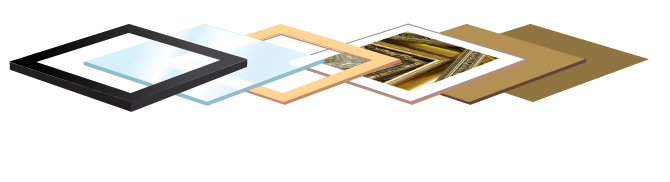
Custom Framing Step-by-Step.Step 1. Bring in your artwork. We quickly discuss your objectives, preferred style and budget. Step 2. We hand pick a few moulding samples that meet your needs. Choose from our large selection of wood, metal, mdf and plastic mouldings. Basic black, ornate gold and everything in between. Step 3. We present you with some mat board samples for your consideration. You can choose from frame-only, single-mat, double-mat or more. We have every colour mat board available to get just the right match. Premium options like, 8ply, black core, acid-free, suede and other finishes are available too. Step 4. Select one of our glazing options. Regular glass, non-glare glass, uv-glass, Plexiglas, uv Plexiglas, non-glare Plexiglas, uv non-glare Plexiglas. Step 5. We write-up your order and the framing process begins. Your framed artwork is usually ready in 2 weeks.
|
Mounting Artwork
Mounting is the technique used to secure a photograph to a mount or display board. There are several different methods and materials to choose from when mounting a photograph. Selection is based on several factors such as cost, convenience, equipment availability, and conservation.
 Dry Mounting
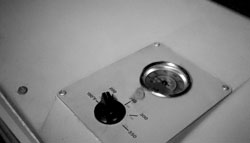
is a permanent mounting process where the art is glued to a mounting board, using heat and pressure. The mounting board is usually a foam core board, but other boards can be used depending on the circumstances of how the art will be used. A tissue type adhesive is placed between the art and the mounting board. This combination is then inserted into a mechanical press and heated up to activate the adhesive while the press applies pressure.
If a piece of art is to be conservation framed then dry mounting cannot be used, since it would adversely affect the value of the art. Dry mounting is used when the aesthetic appearance of the art warrants it to be flat.
An inexpensive replaceable movie poster, art poster or music poster would be good examples of items that would be dry mounted.
Conservation
True conservation framing dictates that the mounted photo must be cleanly removable from the mount board. Museums must adhere to conservation guidelines, even though all acid free materials are used in these frames. Acids and other pollutants will eventually penetrate the frame from the air and walls and contaminate the frame, at which time the artwork must be removed and reframed with fresh materials.
For most of us, such extreme conservation rules are unnecessary, although care should be taken to ensure general household items such as rubber cement are not used for mounting. These items may contain chemicals that will harm your artwork immediately. There are several inexpensive mounting products available today that are safe for your artwork. Some products such as photo corners, mounting corners, and hinging tapes and tissues are all safe products for mounting your artwork. We can employ many of these techniques to your projects.
 Custom Matting
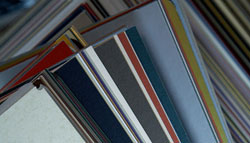
We have a great selection of mat board from Bainbridge, Peterboro, Crescent, to Alphamat Artcare (100% Rag) . We have every colour under the rainbow including a good variety of gold, silver and other unique mats.
We can do onsite custom cutting of mat board to any frame up to 32x40 with custom size window openings. Multiple window openings are an option as well. Computerized mat cutting services are available for intricate designs and precision projects.
Double-mat, conservation mats, 8-Ply, Suede, reverse-cut, -- we can fulfil all your matting needs.
 Glass Fitting
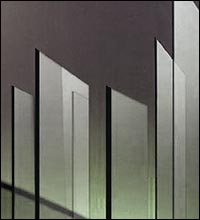
It is common to assume that the clear material you look through, to admire artwork in a picture frame, is always glass. There are alternatives to glass and so the general term used for this material is actually picture 'glazing'. Variations include acrylic and lamination glazing and within these categories many sub-categories exist. There is no one material perfect for every condition and they all have their respective pros and cons.
Regular Glass
This is the most common type of glazing. It is strong, resistant to scratches and relatively affordable. The most frequent problems with it include its breakability, and weight compared to other options. Also, glass filters only approximately 50% of destructing U.V. rays.
Non-Glare Glass
Non-glare glass is great if your artwork is hanging right in front of a window. However, the protection factor is still low, but at least you'll be able to see the image. Be aware that the non-glare glass properties also make the image less distinct because of the etched surface's ability to diffuse light. This 'fuzzy' image is a personal preference since some people actually prefer the softening. This glass is slightly more expensive than regular.
Conservation Glazing
As in the title, this glazing protects your artwork from harmful U.V. rays. It filters out more that 97%. Glazing is a coating that can be added to most forms of glass or acrylic and it will significantly reduce any damage to your artwork due to adverse conditions. You will pay top dollar for this luxury, but get great quality, while preserving your valuables at the same time.
Museum Glass
Imagine standing inches away from a framed picture and not being able to tell whether or not there is any type of glazing on it. Museum glass is so clear and so glare-free that you may have to touch it to know its there. At certain angles you can see a slightly colored tint, but with its U.V. protection this is the ultimate.
Acrylic Glazing
This is a very popular type of picture glazing, it comes second behind glass. It is commonly known as 'Plexiglass', but this is actually a brand name.
Pros of acrylic picture glazing are:
- Much lighter than glass
- Acrylic Glazing is practically shatterproof,
- It has a greater level of U.V. protection, filtering more than 60% of the harmful rays.
- It is available in both regular and non-glare forms.
Cons of acrylic picture framing are:
- The primary disadvantage is that acrylic scratches easily
- It is surprisingly expensive because it is considered higher quality than regular glass.
Do not use glass cleaners to clean acrylic because remember it is plastic, NOT glass. The surface will become foggy and rough cloths can leave irreparable scratches. Use a soft cloth, and purchase a special cleaner just for acrylic.
Lamination
Lamination is a sheet of thin plastic, essentially melted or vacuum-sealed onto the surface of your artwork. Lamination protects from dust and moisture, but is still easily bent or damaged. It is light and useful in a classroom, needing only pushpins to display it on the wall. It is a permanent process and is recommended only for the display of items with little value.
So What's the Bottom Line?
With all the options available today for your art piece it can get quite confusing as to what to use to enjoy, and still protect your artwork.
Bottom line:
Regular framing, using regular materials like regular mat board, foam board and mounting tapes, provides a decent level of protection for framed art.
Conservation and archival framing helps to achieve long term presentability – longer than 100 years – for the high end, expensive artwork that is common for collectors, or perhaps that diploma that you worked so many years to achieve. Even your wedding, family, or senior portrait would benefit from conservation framing.
For poster prints, digital photography or any other easily reproducible artwork, regular materials will be adequate most of the time. If you're on a tight budget, even when the artwork is of high potential value, we would be happy to quote your job both ways – with regular materials and with conservation grade materials – and provide an explanation of the different levels of protection before being offered the choice.
Armed with the right information, it becomes a lot easier to make the right choices when it comes to conservation and archival framing.